
A vehicle immobilized for three days due to an unforeseen breakdown, a full tank of fuel charged for a nonexistent trip, a forgotten technical inspection: these situations are costly and occur repeatedly in most fleets managed with spreadsheets or paper binders. Digital fleet management changes the game by replacing manual tracking with reliable, centralized data that can be utilized in real-time.
Predictive Maintenance: Anticipating Breakdowns Before They Immobilize the Vehicle
Most fleets still operate with a fixed maintenance schedule: oil change every 20,000 km, annual service. The problem is that a vehicle driving in the city wears out differently than one that covers highway miles.
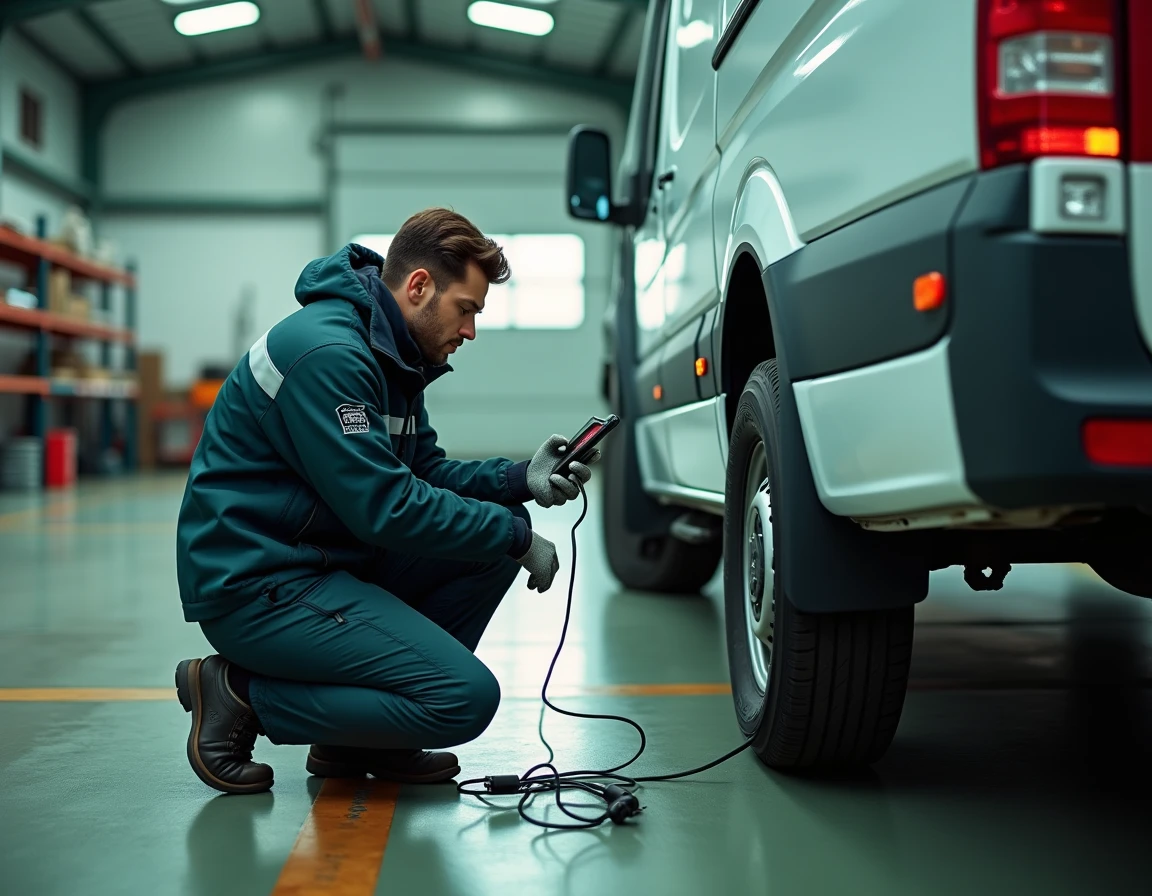
Predictive maintenance leverages data collected by onboard telematics devices. Engine temperature, tire pressure, battery voltage, braking behavior: these indicators, analyzed in fleet management software, allow for the detection of a deviation before it becomes a breakdown. An engine that runs slightly hotter than usual for a full week is not a coincidence. It’s a signal.
Shifting from a calendar-based maintenance approach to data-driven maintenance reduces both unexpected immobilizations and unnecessary interventions. The key lies in the quality of the captured data and the software’s ability to transform that data into actionable alerts, not into unreadable dashboards. A good tool generates actionable alerts, not noise.
Adopting a structured approach to digital fleet management means prioritizing predictive maintenance from the outset, as this is where the return on investment can be measured the quickest.
Interoperability of Fleet Tools with ERP and Accounting
Have you ever seen a fleet manager manually re-enter the kilometers traveled into an Excel file, only to type them again into the accounting software? This double work is a source of errors and wasted time.
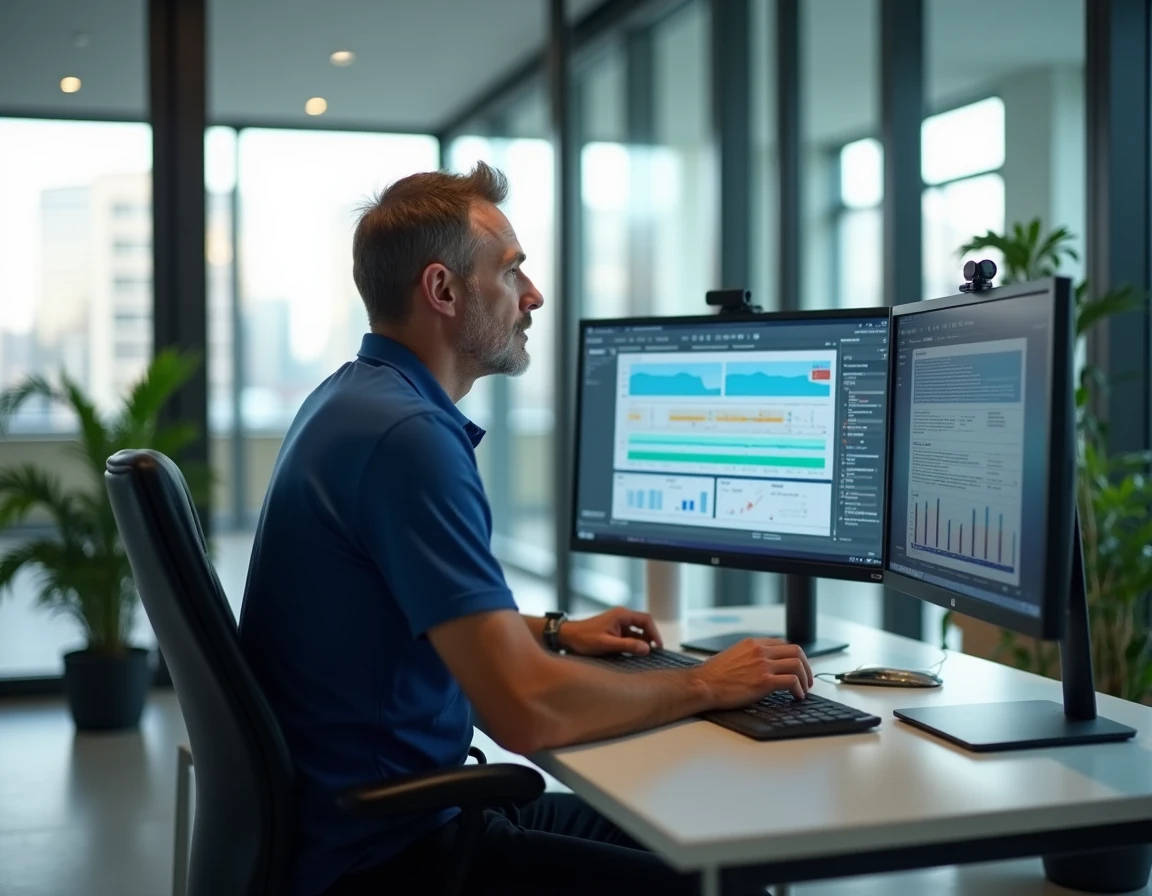
Connecting fleet software to other business systems eliminates duplicate entries. This means that fuel consumption data, maintenance invoices, and vehicle assignments are automatically sent to the ERP, HR department, or accounting.
Let’s take a simple example. A driver fills up using their fuel card. The telematics device records the mileage. The fleet software automatically reconciles the amount of fuel purchased, the distance traveled, and the actual route. If the consumption is abnormally high, an alert is generated. No need to wait until the end of the month to discover the anomaly in a statement.
How Interoperability Changes Daily Operations
- Costs per vehicle are calculated in real-time, not reconstructed later with lost invoices
- Leasing contracts and technical inspection deadlines are synchronized with the company calendar
- Vehicle assignments to drivers are automatically updated during a job change or departure
Interoperability is not a luxury reserved for large companies. Most recent fleet management software offers standard connectors (APIs) compatible with common ERPs. The real barrier is organizational, rarely technical.
Driving Scores and Real-Time Driver Coaching
A vehicle consumes more fuel when it accelerates abruptly, brakes late, or runs at an inappropriate engine speed. This is not a matter of car model; it’s about driving behavior.
Recent telematics platforms assign a driving score to each driver based on objective data: accelerations, braking, turns, average speed. This score is not a moral judgment. It’s a factual indicator that helps identify drivers whose driving style leads to excessive fuel consumption or premature vehicle wear.
Coaching is more effective than punishment for changing behaviors. Some systems send real-time alerts to the driver (a sound signal in case of sudden braking, for example). Others generate a weekly report that the manager can use during a one-on-one discussion.
Why Behavioral Data Reduces Fleet Costs
A driver who adopts a smoother driving style significantly reduces their fuel consumption. Multiply this effect by the number of vehicles in the fleet, and the savings become tangible over a quarter.
Beyond fuel, gentle driving extends the lifespan of brake pads, tires, and the transmission. Less premature wear means fewer trips to the workshop. The driving score, when used pedagogically, turns each driver into a stakeholder in cost optimization.
Centralization of Data and Regulatory Compliance of the Vehicle Fleet
A vehicle operating with an expired technical inspection exposes the company to a fine, as well as an insurance issue in the event of an accident. When the fleet consists of several dozen vehicles, manually tracking deadlines becomes a risky gamble.
A centralized management software stores all critical information in one place:
- Technical inspection dates, insurance, and end of leasing contract for each vehicle
- Complete history of maintenance interventions, parts replaced, mileage at each operation
- Digitized administrative documents (registration certificate, insurance certificate, reports)
- Driver assignment with verified driving license and validity date
Compliance becomes automatic when alerts precede deadlines. The system notifies the manager thirty days before the expiration of a technical inspection or contract. No need to manually check each file.
This centralization also facilitates internal audits. When management requests the total cost of ownership of a vehicle over three years, the answer is available in a few clicks, not in three days of searching through binders.
Digital fleet management is not a spectacular transformation. It’s a collection of concrete decisions: capturing the right data, linking it to the right tools, and using it to act before problems arise. The best-managed fleets are not the largest, but those where information flows smoothly.