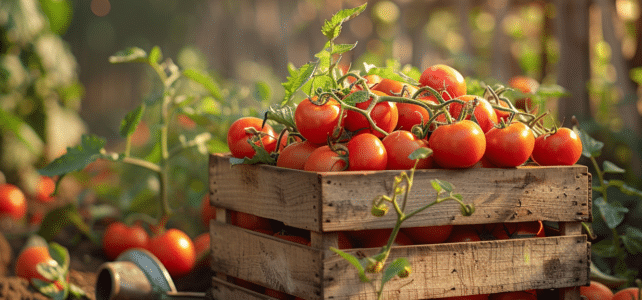
Growing tomatoes in your garden is a rewarding activity that not only provides a relaxing hobby but also a bounty of fresh delights. However, reaching the moment when ripe fruits hang heavily on the vines requires specific know-how. The success of tomato cultivation is influenced by multiple factors, from the choice of varieties to pruning and watering techniques. Gardeners of all levels are constantly seeking methods to maximize the yield of their plants while ensuring the health and flavor of their tomatoes.
Essential Steps for Successful Tomato Planting
Choosing the variety and preparing the soil are the first steps for the gardener aspiring to a successful tomato crop. The tomato, a perennial plant grown as an annual native to Central America, requires special attention from the sowing stage. Select varieties suited to the climate and conditions of your region, as each variety has its own specifics in terms of taste, resistance, and ripening period. Incorporate rich compost into your soil to provide the necessary nutrients for plant growth. In France, crop rotation proves to be a beneficial practice, preventing soil depletion and the spread of diseases.
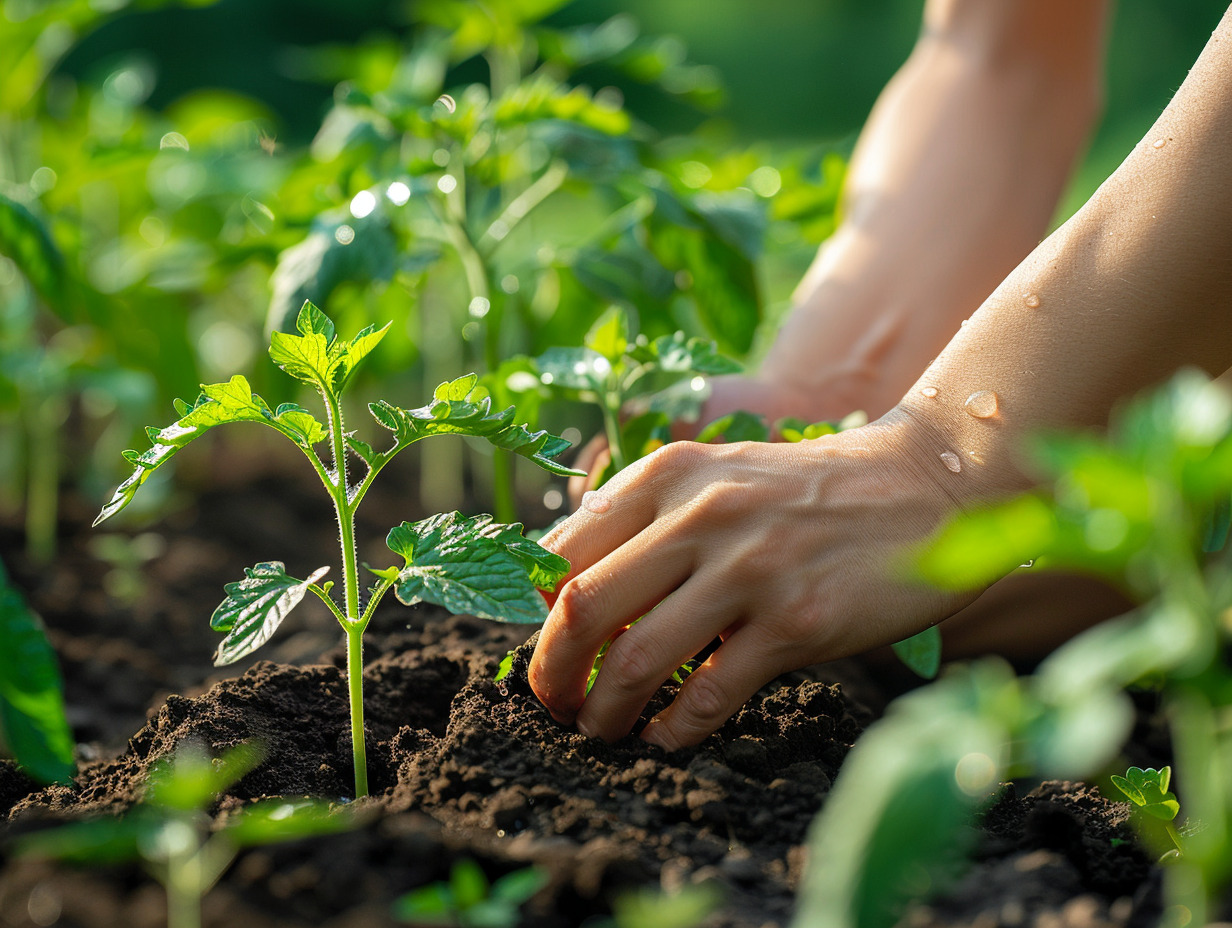
Carefully plan the sowing and planting. Tomato seeds should be started in a sheltered location, protected from the last frosts, and young plants should only be transplanted into the ground after these risks have passed. The spacing for planting tomato plants is critical: leave enough space between the plants to ensure good air circulation and reduce the transmission of diseases. A spacing of 40 to 60 cm between plants and 70 to 90 cm between rows is recommended, allowing roots to spread and plants to fully capture light.
Anticipate the needs and future care of the tomato plants. Once in the ground, the needs for tomato cultivation include regular and appropriate watering, avoiding excess moisture on the leaves that would encourage the onset of diseases. Mulching is an effective technique to maintain soil moisture and moderate the temperature around the roots. As for pruning, it should be done judiciously to aerate the plant and promote better fruit production. Pair your tomato plants with other beneficial vegetables or plants to strengthen the resilience of your garden against pests.
Maintenance and Tips to Maximize Your Tomato Harvest
Irrigation, the key to success: Water provided sparingly but regularly ensures the vigor of the tomato plants. Opt for watering at the base, early in the morning or in the evening, to avoid rapid evaporation and leaf burn. The frequency will be adjusted based on weather conditions, with close attention during dry periods. This measure helps prevent fruit splitting, a symptom of uneven hydration.
Pruning and staking, essential practices for tomato maintenance, facilitate air circulation and sun exposure, thereby reducing the incidence of diseases. Remove suckers, those non-fruit-bearing lateral shoots, to direct the plant’s energy towards fruit production. Staking, on the other hand, supports the vertical growth of the plants and prevents the tomatoes from touching the ground, thus avoiding the risk of rot.
Harvesting and preservation, the final steps of tomato cultivation, are crucial for enjoying your labor. Harvest the fruits at full maturity for optimal flavor, preferably on sunny mornings when the tomatoes are still tempered by the morning dew. For preservation, diversify methods: sterilization for sauces, drying for condiments, freezing for stews. Also consider producing tomato seeds, which fits into a self-sufficiency approach and the sustainability of the cultivation cycle.