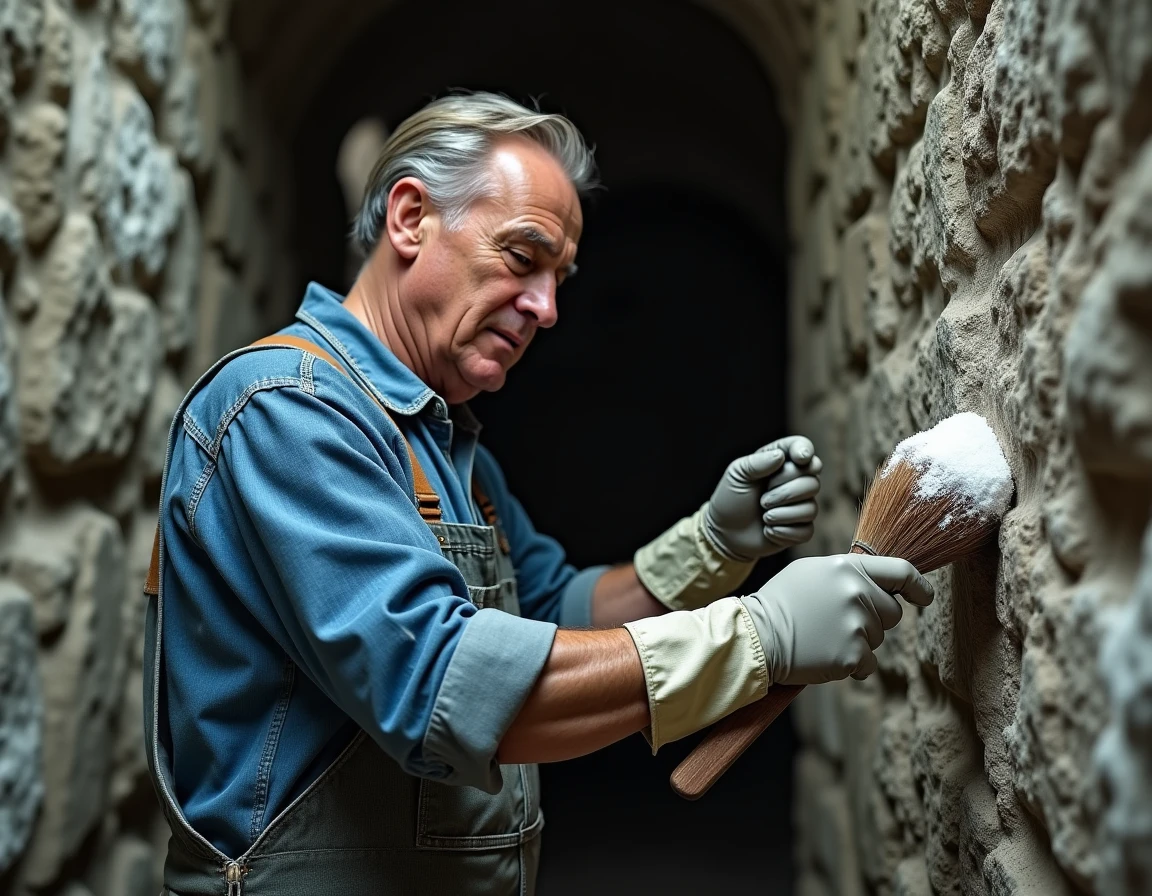
Saltpeter in a basement is not just an aesthetic problem. These white crystals, composed of mineral salts deposited by the evaporation of water, indicate a water imbalance in the buried walls. Understanding the mechanism that fuels these deposits allows for the selection of the right treatment, as solutions range from simple cleaning to major interventions on the structure.
Energy renovation and saltpeter in the basement: an underestimated link
Field reports from waterproofing companies indicate an increase in cases of saltpeter after energy renovation work. The installation of external thermal insulation or the replacement of joinery alters the vapor flow inside the walls. If no drainage or capillary break accompanies this work, capillary rises in the buried walls worsen.
The mechanism is simple: by making the building envelope more airtight, natural evaporation that regulated (albeit poorly) humidity is reduced. Water then migrates to areas of lesser resistance, often the untreated basement walls, and deposits its salts on the surface.
Before starting a renovation project, conducting a moisture diagnosis of the buried walls prevents discovering the problem afterward. Several approaches allow for treating saltpeter in a basement depending on the severity of the situation and the actual source of the water.
Comparison of treatments for saltpeter in basements according to humidity levels
Not all treatments address the same problem. The table below distinguishes solutions based on the observed symptom on the walls.
| Observed symptom | Appropriate treatment | Durability | Main limitation |
|---|---|---|---|
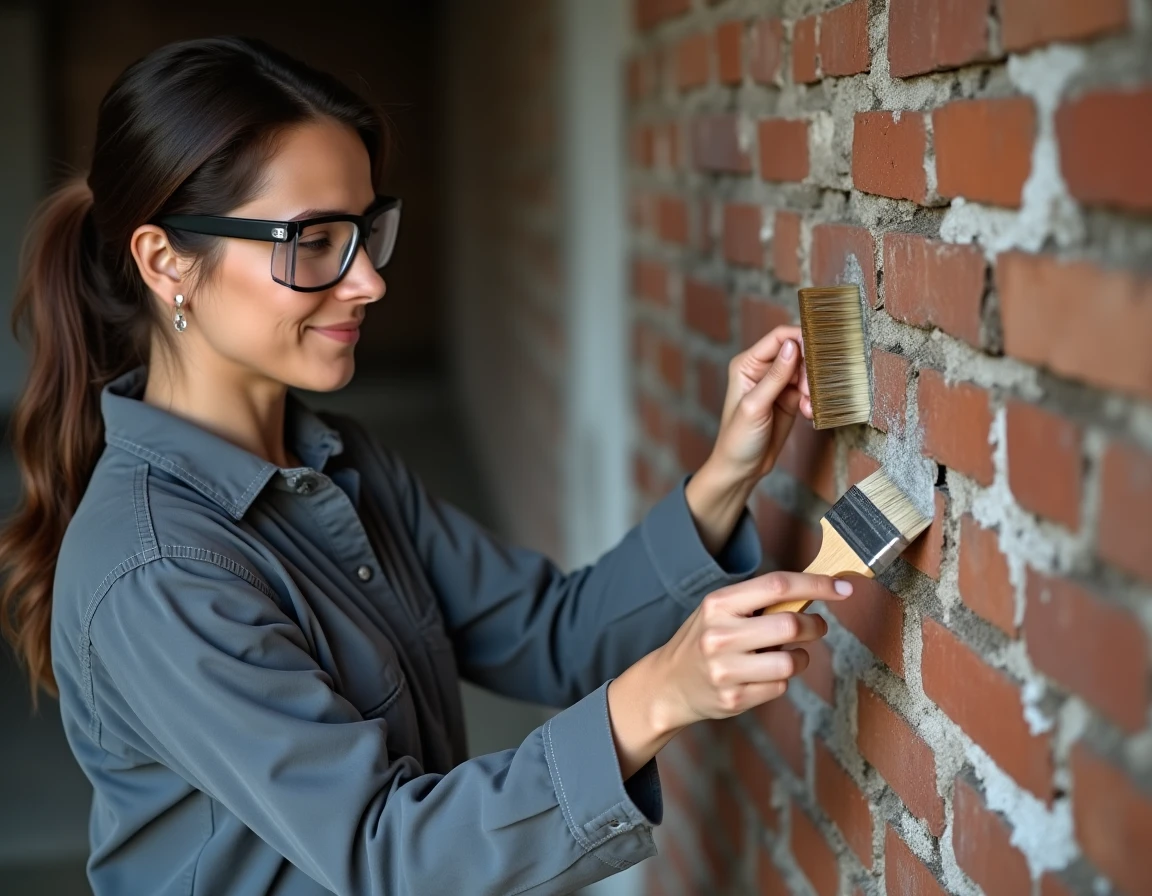
| Slight efflorescence, slightly damp wall | Brushing + anti-humidity paint or lime wash | Several years if the source is treated | Does not address the cause, masks the symptom |
| Very damp wall without runoff | Waterproofing coating | Durable if the support preparation is correct | Requires a clean surface and respected drying times |
| Running or constantly saturated wall | External drainage + sealing mortar + waterproofing | Long-lasting solution | External access often difficult, high cost |
| Capillary rises from the ground | Anti-rising epoxy resin or waterproofing barrier | Long-lasting | Requires precise diagnosis of the source |
Durability primarily depends on the preparation of the support and treatment of singular points (corners, cracks, wall-floor junctions). A waterproofing coating applied to a poorly prepared wall will peel off within months.
Ventilation and hydrostatic pressure: the duo that should not be separated
Installing a dehumidifier in a damp basement is a common reflex. Specialists consider this approach a temporary treatment, not a long-term solution. The reason lies in hydrostatic pressure: as long as water pushes against the buried walls, removing humidity from the air does not change the water flow in the wall.
The effective combination involves two simultaneous actions:
- A ventilation system dedicated to the basement (single or double flow VMC) to renew the air and continuously evacuate water vapor
- A structural treatment against water pressure (waterproofing, external sealing, or peripheral drainage) to cut off the water supply to the walls
- Regular monitoring of humidity levels after work to ensure that the ventilation-sealing pair maintains a stable balance
Ventilation alone without controlling hydrostatic pressure is not enough, and conversely, a waterproofing without air renewal promotes condensation on cold surfaces.
The case of old houses and breathable coatings
In old stone buildings, film-forming paints known as “anti-humidity” trap water behind the paint layer. Salts continue to crystallize under the film, which eventually blisters and detaches.
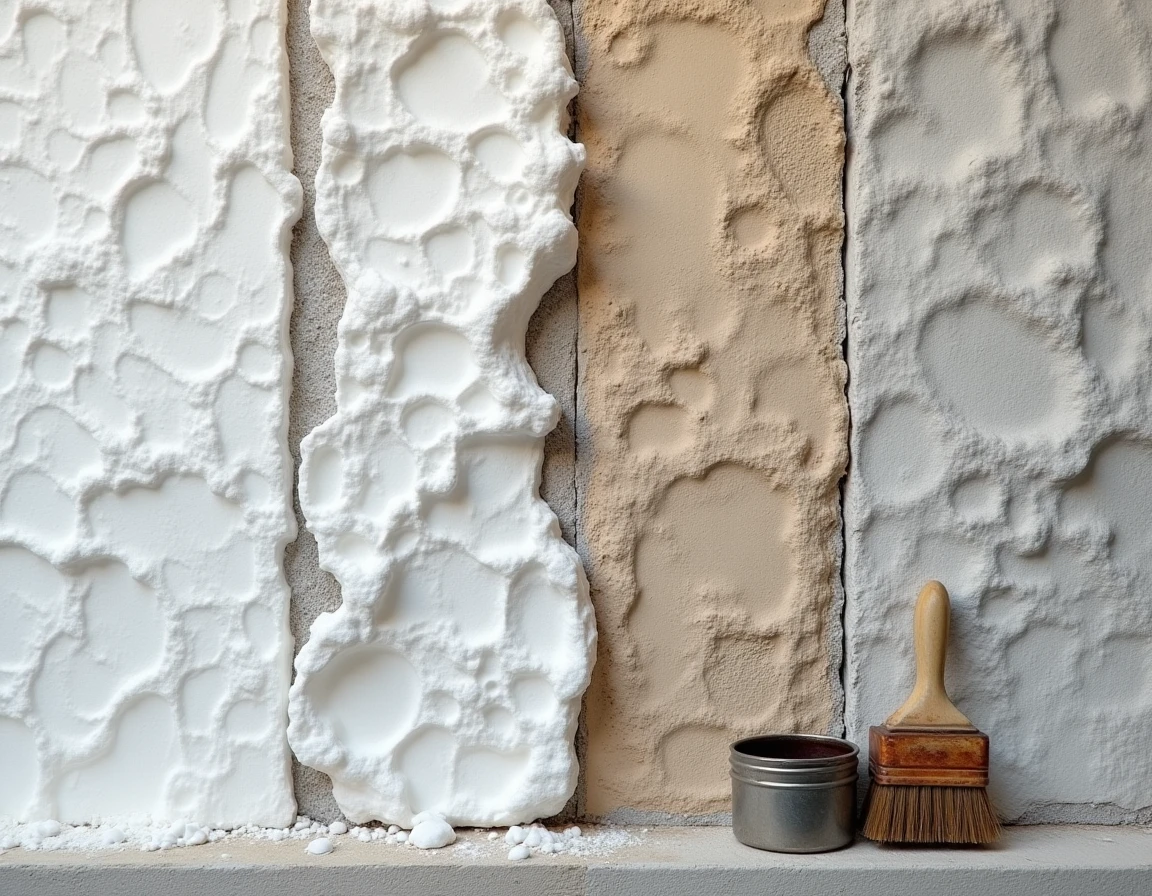
Lime washes and breathable coatings offer a documented alternative. By allowing the wall to “breathe,” they enable more uniform drying of the wall. Surface efflorescence decreases because water evaporates diffusely instead of concentrating under a waterproof film.
This approach only makes sense if the water source has been treated upstream through drainage or a waterproof barrier. A lime coating on a wall continuously fed by capillary rises will only slow the appearance of deposits without eliminating them.
Common mistakes that worsen saltpeter in basements
Some well-intentioned interventions produce the opposite effect of what is sought. Three mistakes frequently arise in feedback from waterproofing professionals.
- Applying a cement coating on an old stone wall: cement, less permeable to vapor than stone, blocks evaporation and concentrates mineral salts in the masonry, accelerating its degradation
- Ventilating a basement without sealing water entries: fresh air dries the surface of the wall but water continues to arrive by capillarity, creating a cycle of appearance-disappearance of saltpeter with the seasons
- Neglecting the diagnosis of the moisture source: a surface treatment (brushing, painting) applied without identifying whether the water comes from capillary rises, lateral infiltrations, or a leak amounts to postponing the problem for a few months
The diagnosis remains the determining step. A running wall and a wall with slight efflorescence do not require the same treatment, and confusing them leads to unnecessary expenses.
Saltpeter in the basement is a symptom, not a standalone disease. Identifying the water source before choosing a treatment remains the only approach that prevents having to start over every two years. Buried walls obey simple physical logics: where water enters, salts eventually come out.