In the botanical world, the mock orange, with its intoxicating fragrance and bright white flowers, is a precious gem for any gardener. To maintain its brilliance and encourage abundant blooming, it is necessary to adopt specific pruning techniques. This task may seem daunting for novices, but with wise advice and step-by-step instructions, even the most inexperienced gardener can learn to handle the shears with skill. The goal is to allow each plant to thrive, bloom profusely, and add unparalleled beauty to your green space.
Mock Orange: Its History and Characteristics
The mock orange is a plant that offers a great diversity of varieties, each with its own characteristics and peculiarities. Among the most common varieties is Philadelphus coronarius, known for its intoxicating fragrance and bright white flowers. This variety is ideal for creating a true scent garden.
Contemporary garden enthusiasts may prefer Philadelphus ‘Belle Etoile’, with its semi-double flowers featuring petals speckled with delicate pink. As for Philadelphus ‘Virginal’, it stands out with its large clusters of double flowers, providing an impressive visual display in any garden.
To fully enjoy the benefits of the mock orange in your green space, consider choosing a well-drained and fertile soil, as well as a sunny to partially shaded location.
Regular pruning of the mock orange is also essential to promote its abundant blooming. For this, remember to properly maintain the plant by removing dead or damaged branches. Care should be taken to maintain a balanced shape while preserving the main branches to ensure the future growth of new shoots.
Regular maintenance of the mock orange will help preserve its health and beauty over the years. Moderate but regular watering will be necessary, especially during hot periods, to keep the soil moist but not waterlogged. To encourage its growth and stimulate blooming, the addition of an organic fertilizer rich in potassium can be beneficial.
The mock orange is a magnificent plant that deserves our full attention. By following these practical tips for pruning and maintaining your mock orange, you will be rewarded with abundant blooms and an enchanting fragrance in your garden. So don’t hesitate, take care of your mock orange as it deserves and fully enjoy all the wonders it has to offer.
If you are also interested in pruning jasmine or how to rejuvenate a jasmine after a difficult period, we also have a comprehensive guide available on this topic.
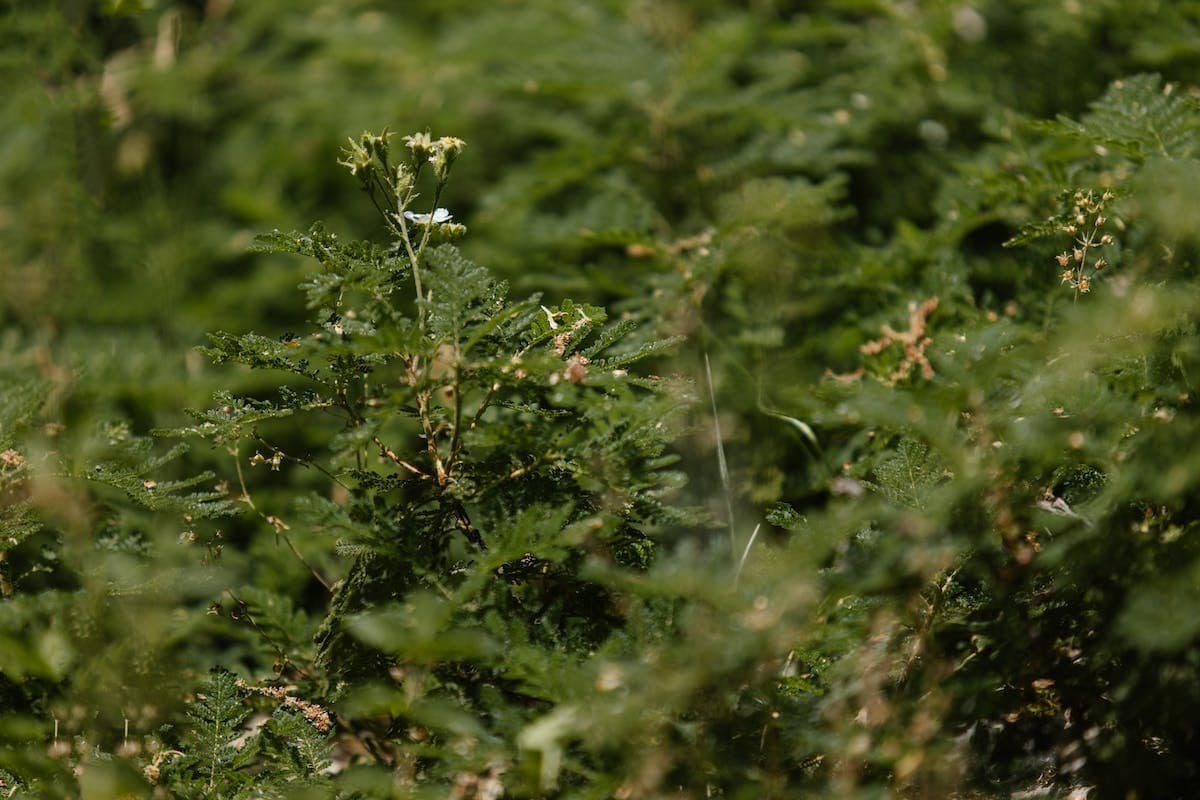
Mock Orange Varieties: An Endless Choice of Colors and Fragrances
The mock orange, also known as Philadelphus, is a plant that requires a few specific conditions to thrive fully. To ensure its optimal growth and abundant blooming, you need to consider several key elements.
Location is crucial. The mock orange prefers sunny to partially shaded areas. Therefore, find a spot in your garden that benefits from good sun exposure while being partially shaded during certain hours of the day. This will allow the mock orange flowers to receive an adequate amount of light for their development.
Choose a well-drained soil. The mock orange does not appreciate excess stagnant water around its roots, as this can lead to problems such as root rot or the development of fungal diseases. Ensure that the soil in which you plant your mock orange has a good capacity to drain water to avoid these complications.
Another important aspect to consider is regular fertilization. The mock orange requires a sufficient supply of nutrients to promote its growth and stimulate blooming. Use an organic fertilizer rich in potassium, ideally in spring and/or autumn, to nourish your mock orange plantings.
In addition to the necessary care for the proper development of the mock orange, regular pruning is essential. It helps maintain a balanced shape for the plant while promoting the appearance of new shoots and removing dead or damaged branches.
If you want to cultivate a flourishing mock orange in your garden, you must consider certain essential growing conditions. An optimal location with sun exposure and partial shade, well-drained soil, regular fertilization, and appropriate pruning will contribute to providing the best conditions for your mock orange to thrive fully.
Mock Orange: Optimal Growing Conditions for Brilliant Blooms
When it comes to pruning a mock orange to encourage its abundant blooming, you must be gentle in this task.
Make sure to choose the right time for pruning. The mock orange should be pruned after its blooming, typically at the end of spring or the beginning of summer. This will allow the plant to develop new shoots and form flower buds for the following year.
Start by removing dead or diseased branches. Use clean, sharp shears to cut these branches back to their point of attachment with the main trunk. Be sure to make a clean and precise cut to avoid any infection.
Proceed to thin out the mock orange by removing weaker or overcrowded branches that hinder the optimal development of the plant. However, leave some of the older ones intact, as they are often the ones that produce the most vigorous flowers.
Pruning the Mock Orange: Tips for an Abundance of Flowers
Once you have finished pruning your mock orange, remember to take good care of its health and beauty. Here are some tips to achieve this:
Watering: The mock orange enjoys slightly moist but well-drained soil. Be sure to water it regularly during dry periods, while avoiding excess water that could lead to root rot.
Fertilization: To promote the growth and blooming of the mock orange, you can provide it with a balanced fertilizer in spring and autumn. Choose a specific fertilizer for flowering shrubs and follow the recommended doses.
Mulching: A layer of organic mulch around the base of the mock orange will help retain soil moisture, reduce weed growth, and improve soil structure.
Light pruning: In addition to the annual pruning after blooming, it may be necessary to perform light pruning during the year to maintain a harmonious shape for your mock orange.
Maintaining the Mock Orange: Essential Actions for Its Good Health
Regular observation: To fully enjoy the blooming of the mock orange, you need to monitor the signals indicating that your shrub is doing well and react quickly in case of problems. Yellowing leaves or wilted flowers may be signs of a lack of water, nutritional deficiencies, or even a pest attack.
Proper lighting: The mock orange appreciates a sunny exposure for abundant blooming and optimal growth. Ensure that it receives at least a few hours of direct sunlight each day. Be careful to avoid scorching exposures that could dry out its delicate leaves.
Protection against frost: Although the mock orange is cold-resistant, some varieties are more sensitive to extreme temperatures.
Fully Enjoying the Blooming of the Mock Orange: Practical Tips to Follow
Protection against frost is therefore essential to preserve the health of your mock orange. In winter, it is recommended to install mulch at the base of the shrub to insulate the roots from intense cold. You can also cover the mock orange with a winter fleece or a thick cloth to protect it from night frosts.
Now let’s move on to the pruning of the mock orange, a crucial step to stimulate its abundant blooming. This operation should be carried out in spring, before the buds form. Ideally, wait until after the last late frosts and when you start to see the appearance of new shoots.
Before starting the actual pruning, equip yourself with a well-sharpened and disinfected pair of shears to limit the risk of spreading diseases. Once equipped, identify the dead or damaged branches and cut them back to their junction point with a healthy main branch.
Focus on branches that are tangled or excessively crossing. Remove those that hinder air circulation and natural light in the center of the plant. This will not only allow for better air circulation but also provide even exposure to sunlight, thus promoting consistent vegetation and abundant flower production.
Do not hesitate to remove a few old stems near the base of the plant to stimulate the growth of new shoots on younger and more vigorous branches. This will rejuvenate your mock orange, allowing it to continue thriving and producing many flowers.
After each pruning, remember to apply a healing agent on the wounds to promote healing and prevent the invasion of pests or diseases.
Once the pruning is complete, do not forget to water your mock orange regularly to facilitate its recovery and ensure abundant blooming. Also, consider providing light fertilization using an appropriate organic fertilizer to strengthen its growth and stimulate flower production.
There you have it, you now have a complete guide to pruning your mock orange and encouraging its abundant blooming. Follow these tips carefully, and you will be rewarded with a vigorous shrub that will brighten your garden with its beautiful fragrant flowers throughout spring and summer.