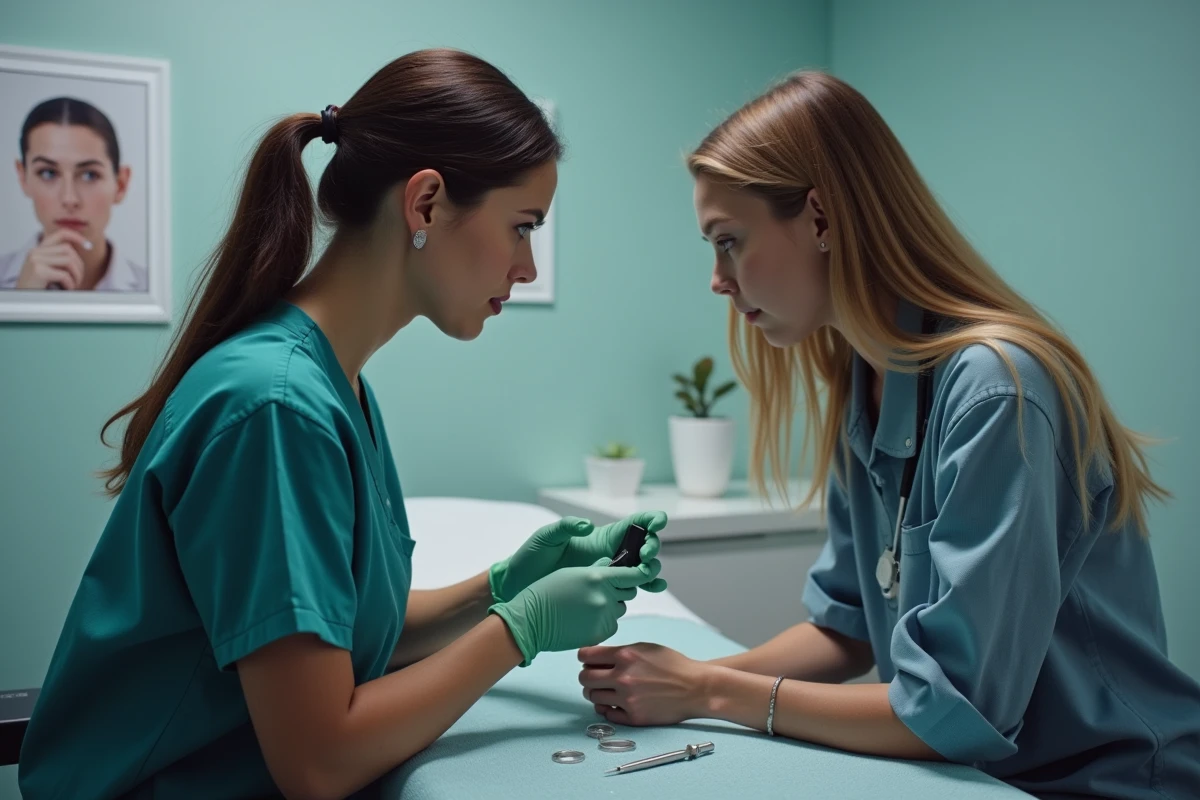
A figure: less than 10% of intimate piercings are performed under strict medical conditions. Yet, every action in this hypersensitive area requires surgical precision and uncompromising expertise. Those considering a clitoral hood piercing enter a realm where every detail matters, far from fleeting trends and impulsive decisions.
One can say that this approach requires thought and vigilance. A poor choice, a hesitant technique, and serious complications can arise: sometimes formidable infections, unpredictable healing, persistent pain. Nothing is automatic; everything depends on the piercing point, the adopted method, and rigorous follow-up. It is impossible to approach this project as a mere whim.
The different types of female intimate piercings: understanding the clitoral hood piercing
The realm of female intimate piercings is not limited to a single option. Some seek to explore new sensations, while others simply wish to assert a strong aesthetic choice, without justification needed. The clitoral hood piercing occupies a special place: it passes through the fold of skin covering the clitoris without ever touching it, in order to preserve the integrity of the area.
To help navigate, here is a clear overview of the most common models in this extremely sensitive area:
- The vertical clitoral hood: appreciated for its versatility, it accommodates various jewelry styles, slightly curved bars, discreet rings, all made from proven materials like titanium or surgical steel. This choice of material is not trivial, as it affects tolerance, limits allergy risks, and ensures the safety of the procedure.
- The Christina piercing placed at the junction between the vulva and the pubis, or the labia piercings, designed to adapt to each morphology.
The jewelry used must meet strict criteria: it must have a perfectly smooth surface, be made from a biocompatible material, and above all, be nickel-free. To promote smooth initial healing, opting for titanium or surgical steel is essential. For those wishing to delve deeper into the subject, the file everything you need to know about the clitoral hood piercing details each step, from choice criteria to technical precautions.
Asking the right questions before taking the plunge: motivations, anatomy, and expectations
Getting a clitoral hood piercing is not a decision to be made hastily. On the contrary, clarity of motivations matters: a desire for aesthetic expression? A wish to explore other sensations? For each project, a discussion with an experienced professional in genital piercing will put expectations to the test of reality.
Anatomical aspects weigh heavily. The characteristics of the hood tissue vary from person to person, and not all morphologies lend themselves to this type of piercing. A good practitioner examines carefully, checks thickness and flexibility, and reserves the right to refuse if the procedure is not safe. Respect for the body and safety remain non-negotiable.
The choice of piercing type, whether vertical, horizontal, more discreet or pronounced, should reflect the uniqueness of each person, without mirroring others. It is also normal to want to understand the cost, the steps of the process, or the healing duration: demanding precise answers is a right, and even a necessity. This clarity prepares for daily life after the procedure.
One thing is agreed upon: this decision requires listening, honesty, and a lack of haste. The body imposes its rules; it deserves respect, and sometimes patience.
Essential precautions and practical advice for a safe clitoral hood piercing
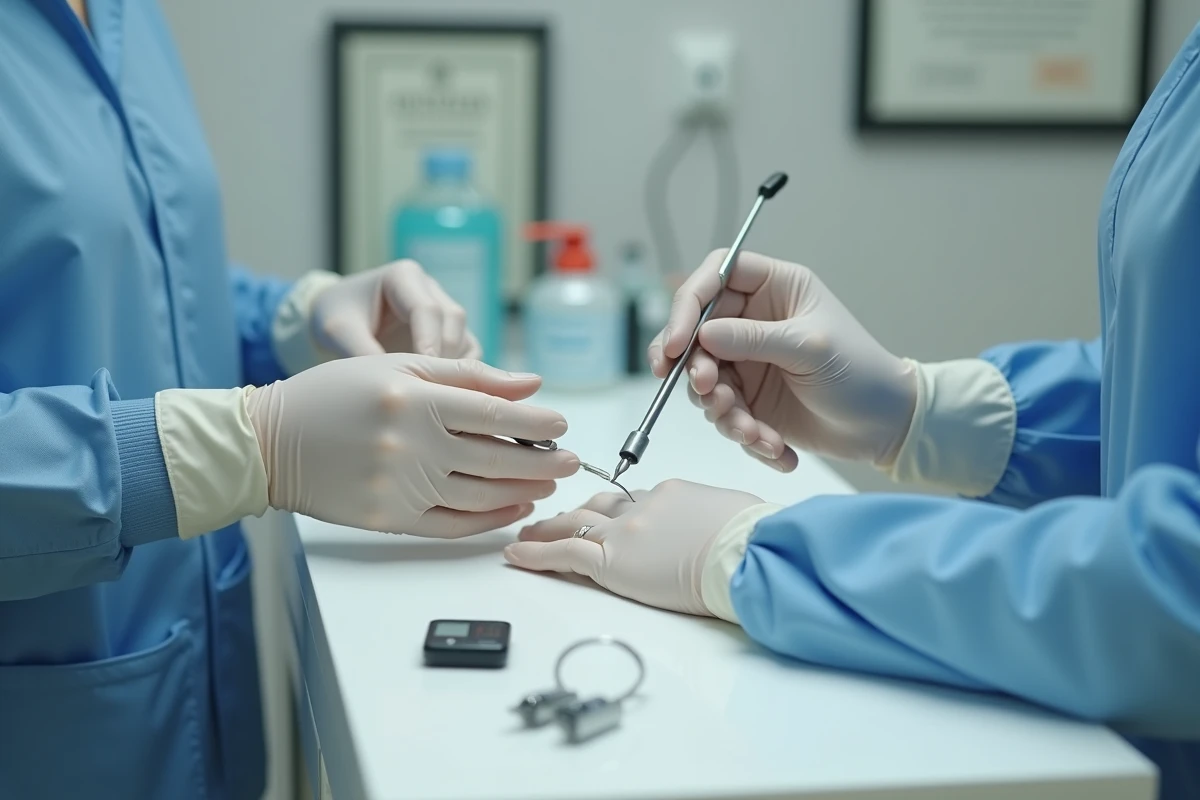
The clitoral hood piercing demands absolute rigor in technical and hygienic aspects. Sterile gloves, single-use needles, impeccably disinfected environment: any deviation jeopardizes health. The slightest doubt about hygiene means knowing when to back out, as the area tolerates no amateurism. Ignoring this requirement exposes one to the worst complications: infection, jewelry rejection, or even migration through the skin.
In terms of sensations, pain depends on both the individual’s sensitivity, the piercer’s technique, and the precision of the tool. An experienced specialist knows how to minimize discomfort, thanks to a steady hand and appropriate tools. Choosing a titanium or surgical steel jewelry from the outset prevents most allergic reactions and promotes smoother healing.
The healing period often spans several weeks, sometimes longer. During this time, it is important to establish a meticulous routine: washing with sterile saline solution, avoiding scented products, and minimal manipulation of the jewelry. Avoid unprotected intercourse, swimming, pools or spas, as well as compressive clothing, all of which can irritate the area or introduce germs.
Daily care should not be improvised. Here are the practices to adopt over the days to avoid unpleasant surprises:
- Cleaning the area morning and evening with a sterile saline solution
- Never touching the piercing without having thoroughly washed hands
- Staying alert to any persistent anomalies: unusually lasting redness, sharp pain, abnormal discharge
In case of any complications, the reflex should be to consult the professional who performed the piercing without delay. Taking the time to inform oneself, choosing the recognized competence of a specialist ensures a safe and serene approach. Because in this area, the body does not tolerate improvisation or half-measures: it demands quality, from the first action to the final placement of the jewelry.